In Italy, dining is never just about eating—it is about mood, rhythm, and emotion. Step into almost any Italian restaurant, from a rustic family-run trattoria to a sleek urban dining space in Milan, and you will notice that sound is never accidental. Music is carefully chosen to shape how guests feel, how long they stay, and even how they experience the taste of their food. It becomes an invisible ingredient in the dining experience, working alongside aroma, lighting, and presentation. In many ways, a meal in Italy is composed like a soundtrack—layered, intentional, and deeply atmospheric.How Music Influences Eating Habits and AppetiteMusic has a surprisingly strong influence on human behaviour at the table. Research in sensory psychology shows that sound can alter not only mood, but also perception of taste and even appetite. Slower tempos tend to encourage relaxed eating, making people linger longer over their meals and enjoy each bite more consciously. Faster rhythms, on the other hand, often create subtle stimulation that can lead to quicker eating and a more dynamic dining pace.But the effect goes beyond speed. Music also shapes how flavours are perceived. Softer, melodic sounds are often associated with sweetness and delicate textures, while deeper or more intense soundscapes can enhance the perception of richness, spice, or complexity. This is why restaurants do not treat playlists as background filler, but as part of the culinary design. In modern hospitality, sound has become as important as plating or interior design.What makes this even more interesting is how universal these effects are. Whether in a casual café or a fine dining restaurant, the brain reacts to rhythm and tone in predictable ways. That is why carefully curated playlists have become a standard tool in the global restaurant industry. In Italy, however, this practice takes on a more emotional dimension, in which music is not just functional but part of cultural storytelling.
How This Works in Italian Restaurants
Italian restaurants approach music with a strong sense of identity and atmosphere. In many places, the soundtrack is designed to reflect the emotional warmth of Italian culture—romantic, expressive, and slightly nostalgic. During daytime service, softer acoustic tracks or instrumental pieces are often used to maintain a relaxed environment. As the evening progresses, the music may become more expressive, sometimes shifting toward jazz, modern lounge, or contemporary Italian pop.
This attention to atmosphere is also influenced by regional culture. In northern Italy, for example, restaurants in cities like Milan or Turin often lean toward more modern, minimalist soundscapes. In contrast, southern Italy tends to embrace warmer, more traditional musical choices that reflect local heritage. Across the country, however, the goal remains the same: to create a seamless emotional connection between food, space, and sound.
Italian culinary culture also extends beyond its borders, particularly into neighbouring Switzerland, where Italian-speaking regions maintain strong gastronomic traditions. In these areas, restaurants often blend Swiss precision with Italian emotional warmth, creating a unique hybrid dining atmosphere. This cross-cultural influence is especially visible in Swiss-Italian culinary spaces, where food and ambience are deeply interconnected. A good example of this cultural proximity can be seen through resources such as Kytaly Genève, which reflects how closely Swiss and Italian dining cultures interact in practice, especially in regions near the border where traditions naturally overlap.
Which Artists Work Best in Restaurant Atmospheres
Music in Italian restaurants is not chosen as background decoration — it is part of the emotional design of the dining experience. Different artists and genres are used to shape mood, pace, and even how guests perceive taste and time. Depending on the restaurant’s concept, playlists can shift from deeply romantic to minimal and modern. In practice, restaurants tend to rely on several distinct musical directions:
- Andrea Bocelli, Eros Ramazzotti, Laura Pausini, Lucio Battisti — classic Italian voices that bring emotional warmth, nostalgia, and a strong cultural identity. They are often used in traditional restaurants where the experience is slow, intimate, and focused on long dining rituals.
- Miles Davis, John Coltrane, Chet Baker, Bill Evans — jazz legends that create an elegant but unobtrusive soundscape. Their music supports conversation and adds sophistication without overwhelming the space.
- Norah Jones, Diana Krall, Madeleine Peyroux, Jamie Cullum — contemporary jazz and vocal artists that feel softer and more modern, often used in upscale casual dining environments.
- Ben Howard, Sufjan Stevens, Daughter, The Paper Kites — indie and acoustic artists that fit minimalist, design-driven restaurants, especially in urban areas where atmosphere and aesthetics are part of the dining concept.
- Curated chill-out playlists (Cafe del Mar, Buddha Bar-style selections) — instrumental electronic soundscapes commonly used in modern restaurants, rooftop venues, and spaces where the evening gradually transitions into a more social atmosphere.
Each of these musical directions serves the same purpose: to shape how guests feel without drawing attention away from the food itself. In Italian restaurant culture, music is never just heard — it is experienced as part of the meal.
What Restaurants Can Add Beyond Food and Music
While music plays a central role in shaping atmosphere, it becomes even more powerful when combined with other sensory elements. Lighting, for example, can dramatically change how music is perceived—warm, low lighting paired with slow jazz creates intimacy, while brighter spaces with rhythmic music feel more social and energetic. Interior design also plays a crucial role, as textures, colours, and materials reinforce the emotional tone set by sound.
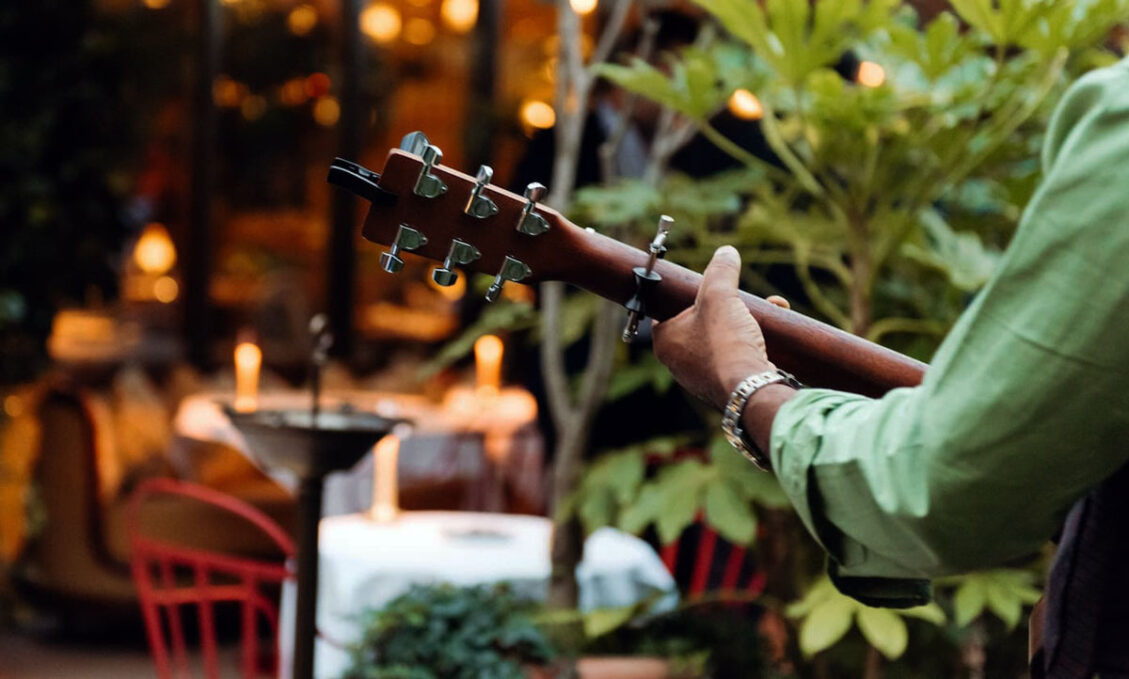
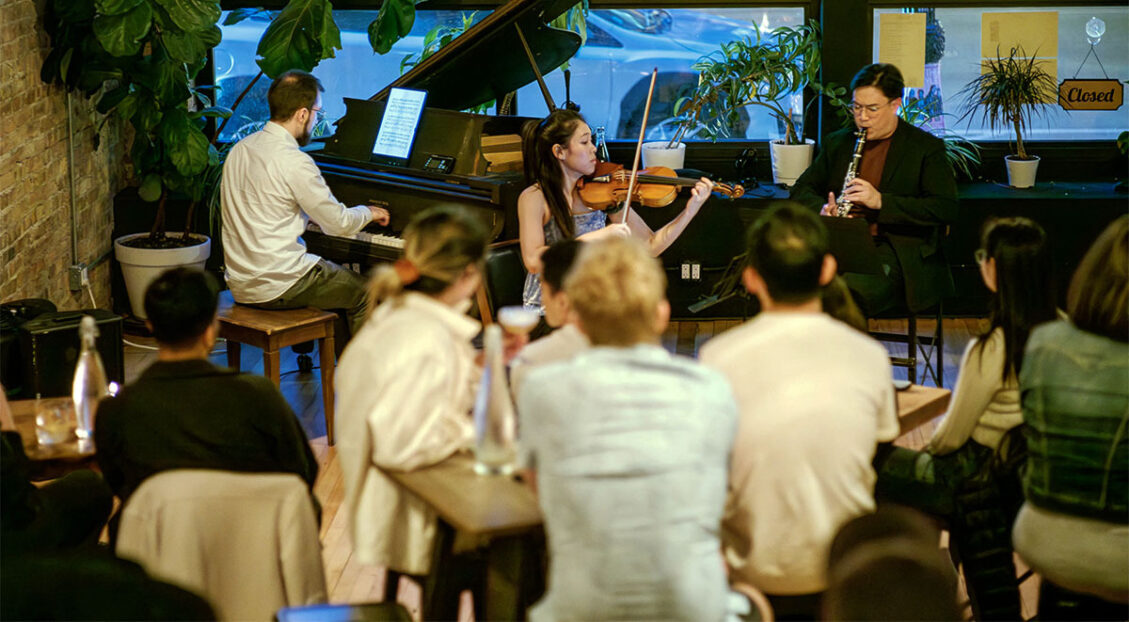
Some restaurants take this even further by incorporating live music performances. Small jazz trios, acoustic guitarists, or local vocalists can transform a dining space into a fully immersive cultural experience. Unlike recorded playlists, live music introduces unpredictability and human presence, which often enhances emotional engagement.
Another increasingly popular approach is dynamic sound design, in which playlists change throughout the day based on service style and customer flow. Combined with thoughtful food presentation and curated wine selections, music becomes part of a larger narrative that defines the restaurant’s identity. In the end, the most memorable dining experiences are not built on food alone, but on the harmony between all sensory elements working together.