
You’ve felt it. That moment when the band kicks in and you stop hearing the music and start feeling it — the bass moving through your sternum, the snare drum landing somewhere between your ears and your spine. No recording does that, regardless of how loud you play it. There’s a reason, and it goes well beyond volume. Live concert sound is a full-body physical event, and understanding what’s actually happening when you’re standing in front of a wall of speakers makes the whole experience make a lot more sense.
Sound Is Pressure, Not Just Noise
Sound isn’t just a signal your ears decode — it’s a pressure wave moving through air. At conversational volume your body ignores it. Push past 100 decibels, which rock concerts routinely do, and that changes. At those levels pressure waves interact with your chest cavity, sinuses, skin, and inner ear fluid simultaneously. The feeling of a kick drum in your ribcage isn’t metaphorical — the low-frequency wave from a subwoofer genuinely compresses and releases your chest with each hit. Your body has become part of the instrument.
Low frequencies are especially physical because of their wavelength. A 60Hz bass note has a wavelength of about five and a half meters — your entire body fits inside one cycle of it. You can’t localize it like a guitar or a voice; it surrounds you and passes through you. This is why metal and hard rock feel so viscerally different live than through any home setup.
What Your Brain Is Doing With All That Input
While your body responds to pressure, your brain is equally busy. Live music triggers a real neurochemical response. Research published in Nature Neuroscience showed dopamine release peaks not just at a song’s emotional climax but during the anticipation — the seconds before the chorus hits. At a concert, that anticipation is intensified by the crowd, the lights, and the sheer volume.
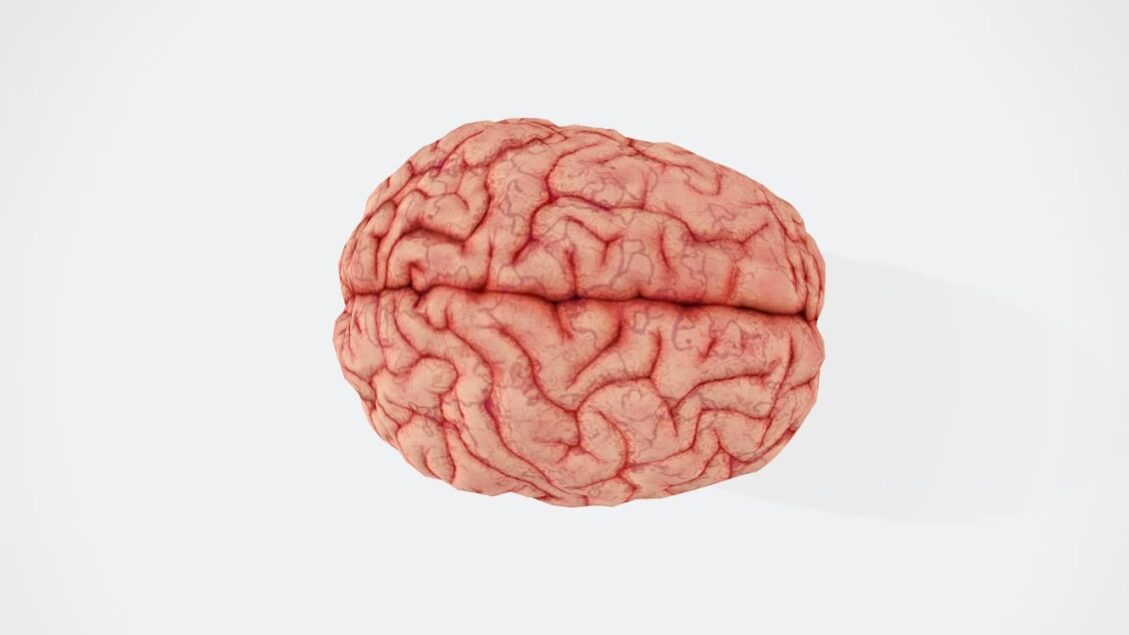
Hearing a song you love through headphones activates reward pathways in your brain. Hearing the same song live, with a crowd reacting around you, activates those same pathways far more intensely. Researchers call this entrainment — the synchronization of physiological responses across a group — and it produces measurable effects on heart rate, breathing, and skin conductance. This is part of why gigs feel so much more exhausting and exhilarating than simply listening at home, even when you’re just standing still.
| Physical Response | Cause | Frequency Range Involved |
| Chest vibration | Pressure wave compression | 40–80 Hz (sub-bass) |
| Skin tingling / goosebumps | Dopamine + tactile nerve response | Broadband |
| Ear ringing after the show | Temporary threshold shift in cochlea | 2–4 kHz (most vulnerable range) |
| Involuntary movement / rhythm response | Sacculus activation + motor cortex | 90–120 Hz (upper bass) |
| Elevated heart rate | Adrenaline + crowd entrainment | All frequencies |
The Part Nobody Talks About: Protecting What Makes This Possible
The same mechanisms that make a loud concert extraordinary also carry real risk. Cochlear hair cells — the ones that translate sound pressure into neural signals — do not regenerate. Once damaged, that’s it. The muffled ringing after a loud show, known as temporary threshold shift, usually clears within 24 hours, but repeated exposure over years gradually turns it permanent. The earliest losses typically appear in the 2,000 to 4,000 Hz range: exactly where the bite of a guitar and the crack of a snare drum live.
The fix is simple. Properly fitted musician’s earplugs with flat attenuation reduce volume without distorting the frequency balance the way foam plugs do. Many touring musicians and sound engineers have worn them for years with no subjective sense of missing out. The experience is still loud. The physical response is still there. You just get to keep having it.
Key points worth keeping in mind before your next show:
- Standard foam earplugs reduce high frequencies far more than low ones, distorting the sound significantly — musician’s earplugs with flat filters are a much better option
- The risk zone begins around 85 dB with prolonged exposure — most rock and metal concerts easily exceed this
- Standing close to the PA stacks or subwoofer arrays dramatically increases exposure
- The 12 to 24 hours after a loud show, when tinnitus or muffling is present, is when further loud exposure is most damaging
- Ear protection has no effect on the physical, full-body experience of live music — it only reduces the part your ears perceive
The physicality of a loud live concert is one of the genuinely irreplaceable experiences in music. No format, no speaker system, and no headphone technology currently replicates what it feels like to stand in a room where the sound is doing something to you rather than just arriving at you. Understanding the mechanics of that experience — and taking reasonable steps to preserve the hearing that makes it possible — seems like a fair trade for a few decades more of it.